TERRY KABY INTERVIEW
Like a lot of others, you started out in a Mini. Tell us what attracted you to rallying?
I have three brothers and all of them have been interested in various types of motor and motorcycle sports at some stage. I was mainly interested in cars and my first job was as a mechanic in a local garage. My second eldest brother Ralph, who is a brilliant self-taught mechanic, had just acquired a Mini Cooper S and wanted a few rally bits for it. Our local milkman Bob Freeborough was at the time competing in mostly foreign events, and had previously had his car prepared alongside the works team cars at the factory at Abingdon and for sometime had received help from them. But, at about this time, Abingdon closed their doors and the competition department was finished, only the customer Special Tuning Department remained, so Bob was looking for someone to look after his car. Anyway, Ralph was trying to buy a few bits from Bob and the conversation began about whether we would be interested in helping him out with his car, and of course we agreed. About the same time I remember seeing a copy of Motoring News which was then the leading weekly paper covering motorsport, and on the front was a picture of Bjorn Waldegard in the Porsche on San Remo (or it could still have been called The Rally Of The Flowers at that time) in typical sideways pose, and I thought that's what I want to do, although never thinking I would. We prepared Bob's car for the very last Gulf London Rally that was run in 1968, a really tough event with 36-hour legs, this was followed by the RAC that year and then The Monte in 1969.
You started out in the lanes, what was the competition like back then?
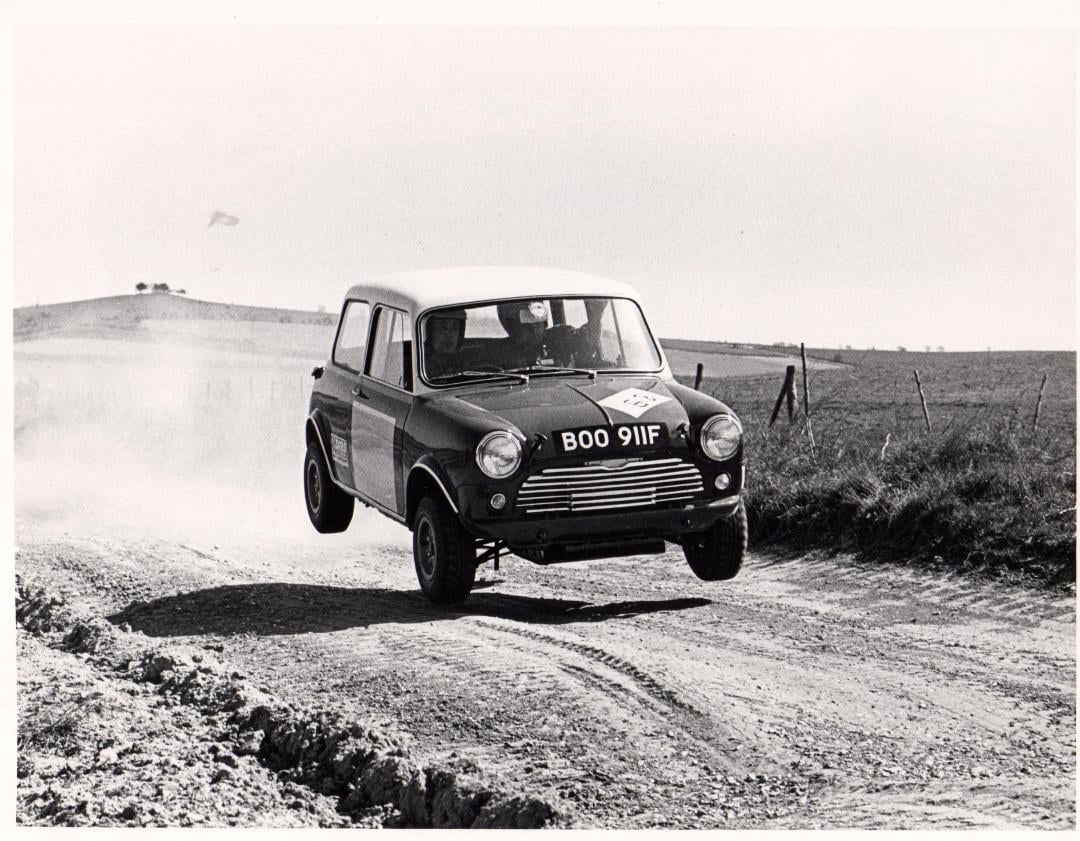
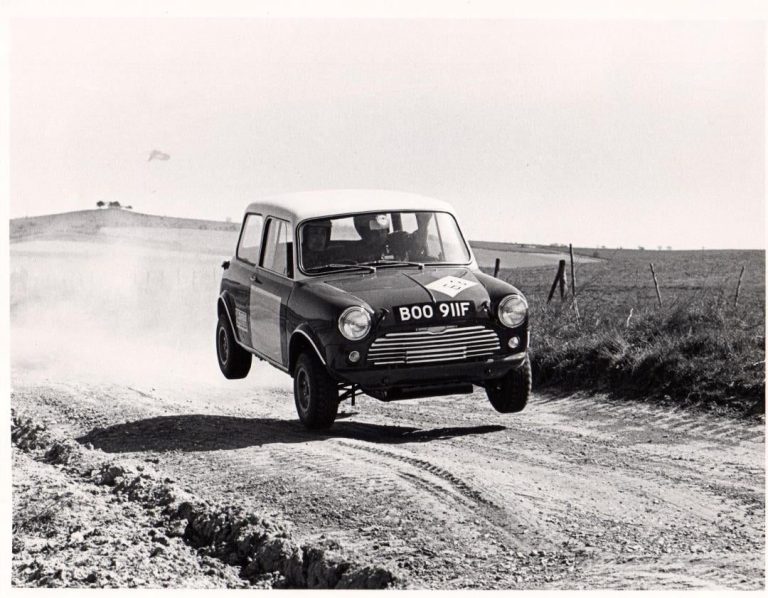
My rally career started as a navigator on road events for my brother Ralph, with an 850cc Mini. We did a lot of rallies in the Midlands and the London Counties, plus a few Motoring News Championship events before I decided I was not that good in the co-driver's seat. I decided to build a car which was a Mini, mainly because parts were easily accessible to me and I knew the Mini quite well. Yes, it was competitive back then, even the London Counties Rallies were competitive and had many good drivers with excellent co-drivers, so it was hard work but fun. The Motoring News Championship had many top class drivers and was equivalent to the National Series, many of these competitors also competed in the International Events.
Did it take long before you decided to go into the forests?
All rallying had been stopped due to the fuel crisis in 1973/74 and the first rallies that started to run when everything got back to normal were off road and so that's why I got involved with those events. I think I only did 5 or 6 road events as a driver with the Mini before Rallying was stopped, a couple of local events and 4 Motoring News Championship Rallies. As soon as events started running again after the fuel crisis, we put entries in for a few but didn't have any luck with being accepted and we went to quite a few as reserves, but once we got a few starts and were able to gets some results we progressed quite quickly.
A lot of competitors consider the ‘70s the best era, is this something you concur with?
The ‘70 and ‘80s were the best as far as I am concerned; lots of competition and a great atmosphere both at road and stage rallies, everyone knew everyone and it was great fun - of course there is no way you could ever run events like the Motoring News Championship now, it was just flat out all night! I have great memories of spectating when Will Sparrow, George Hill, Frank Pearson to name just three would be battling it out all night. We would drive to Wales on a Saturday afternoon to see these guys in full flight at night, just brilliant. When we did our first Monte as mechanics for Bob (Freeborough), Timo Makinen pulled into our service to borrow a spanner…can you imagine that. I also remember how friendly Roger Clark was, just one of the boys, fantastic.
In 1976 you started your association with the Dolomite. Why did you not go down the Escort route like so many others?
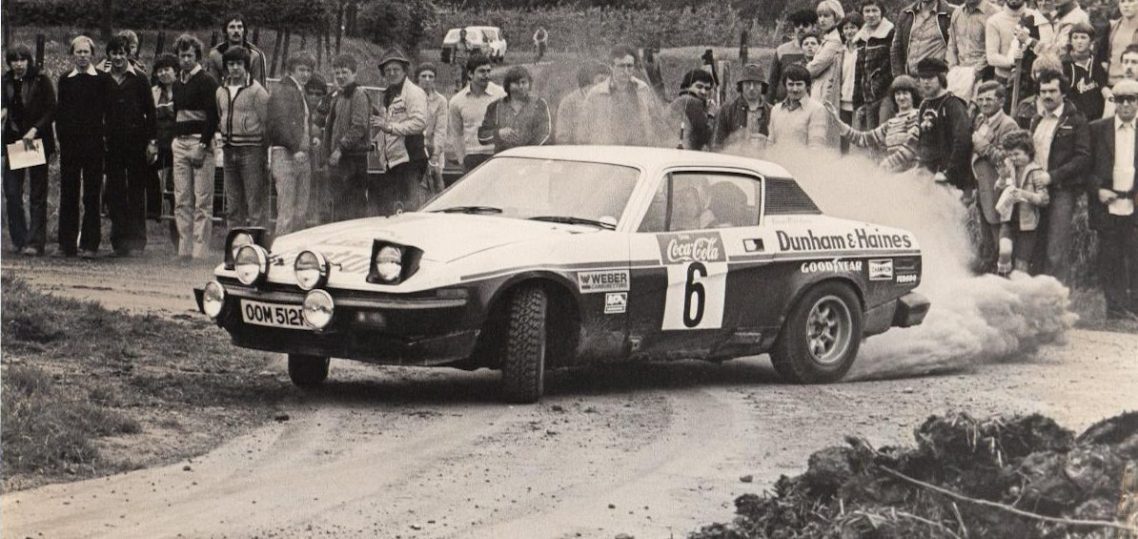
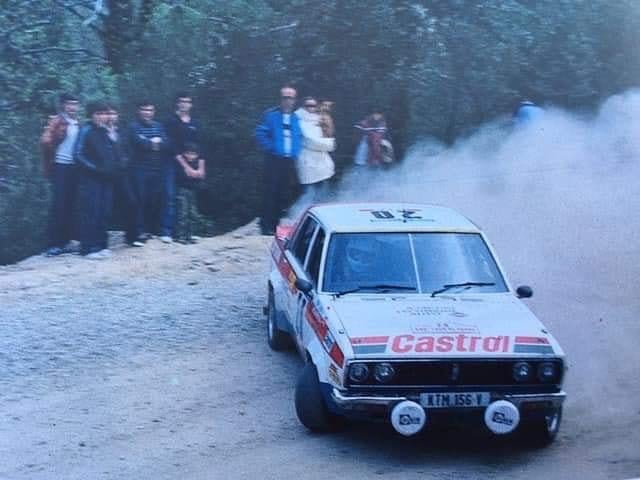
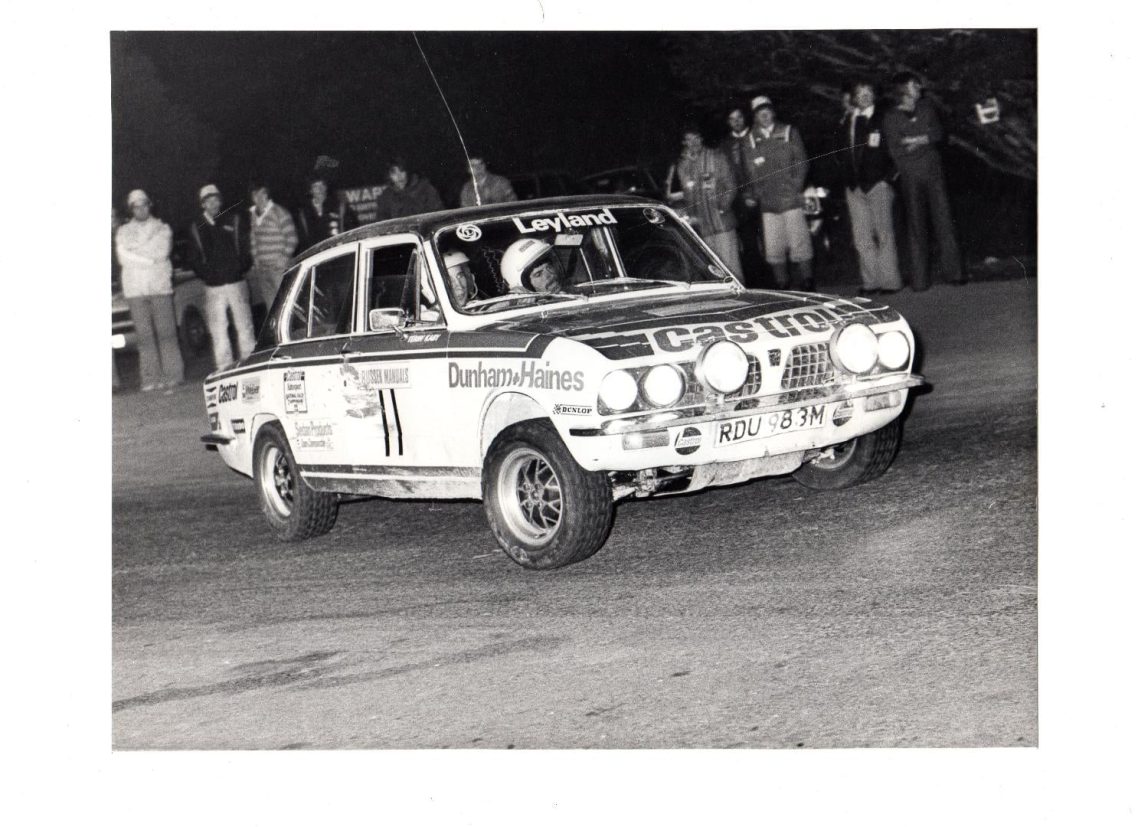
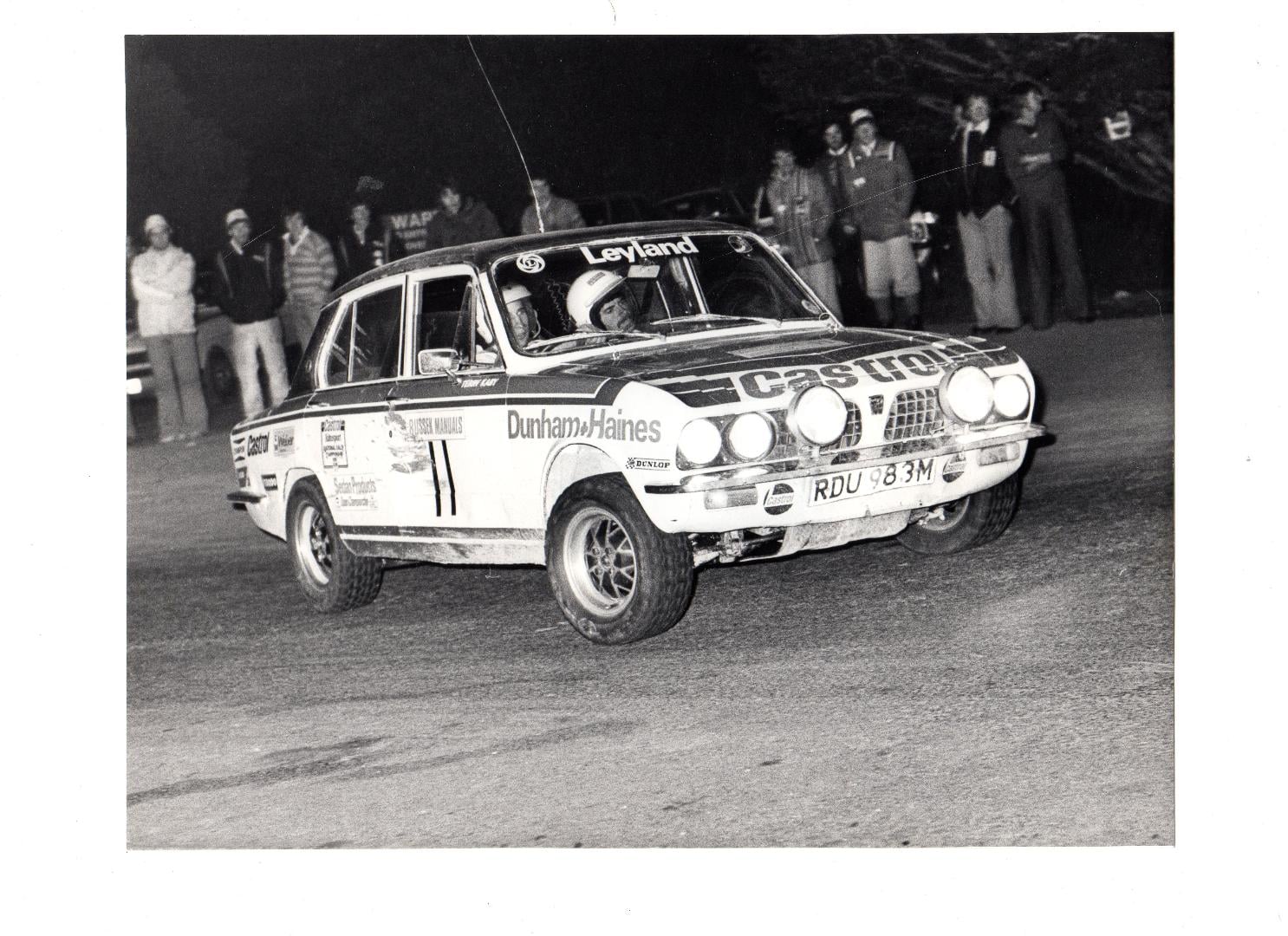
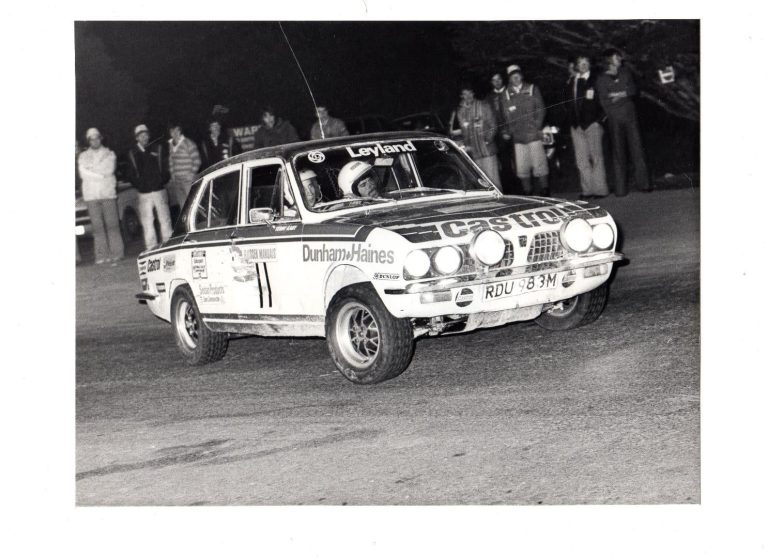
Whilst I was still using the Mini, Brian Rainbow my co-driver who worked at IBM had recently moved with his work to Luton. Brian had found out that the BMC and Triumph dealer in Luton, Dunham & Haines, had taken on a BMC Special Tuning Franchise, and so he approached them to see if they were interested in helping us with some sponsorship. Gerald Dunham (the owner) was quite interested so we got help with entry fees and other small amounts of money. Dunham & Haines had a Dolomite Sprint which was an ex-demonstrator that a member of their staff was using for club racing, but the car was always cluttering up the workshop and Gerald was getting a bit unsure of whether it was promoting the company correctly, so Brian said we would take it away, convert it to a rally car and was sure we could give Dunham & Haines better value. Gerald agreed and so I got the Dolomite to prepare for the Group 1 Class as it was then, to compete in the Castrol Autosport Championship. Dunham & Haines had also acquired the Triumph Tuning and parts company SAH and so this was a good time for them to be involved in Motorsport. There was no way I could have afforded to go the Escort route although, in hindsight, that would have made a big difference to my career.
What was the Dolomite like to drive?
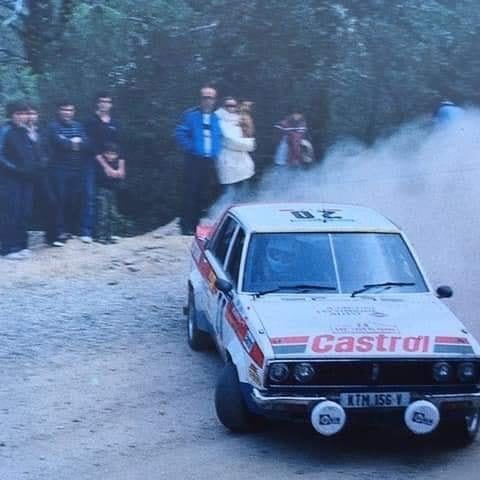
The Dolomite was not an easy car to drive; it felt heavy, it had short suspension travel and small brakes. The engine gave very good usable power but was a bit temperamental, particularly regarding head gaskets, this was at the time when there were some very good drivers in factory-supported Ford RS 2000's and so there was tough competition both at National and International level. To begin with we couldn't get any decent damper that would cope, and a Dolomite will bend its steering rack with even a glimpse of a bump. We struggled for most of the first year but I happened to be at Abingdon one day with Bob (Freeborough) at Special Tuning, they had been running the Dolomite for some time with Culch, Pondy and Pat Ryan as drivers. We asked Bill Burrows (Workshop Manager) and Den Green (Workshop Foreman) about dampers, they just laughed and said "you need to look in our scrap bin", then Den added "but not until about 3.30"! Sure enough, we looked in the bin at 3.30 and there sat a set of Dolomite Bilsteins complete with springs ready to fit. When British Leyland became involved again as a full works team and started to run the TR's I was loaned one of their Dolomites to finish off the year as our own car was getting very tired. Then, the following year (1988) the Factory Team who had been running a couple of Dolomites wanted to concentrate on the TR so I got the deal to run the Dolomite; they supplied the cars and parts and I found the necessary funds, again Dunham & Haines and Castrol were the main sponsors.
In 1979 you upped the power and appeared in the TR7V8, and you won the first event you did, the Dukeries. How was the transition for you?
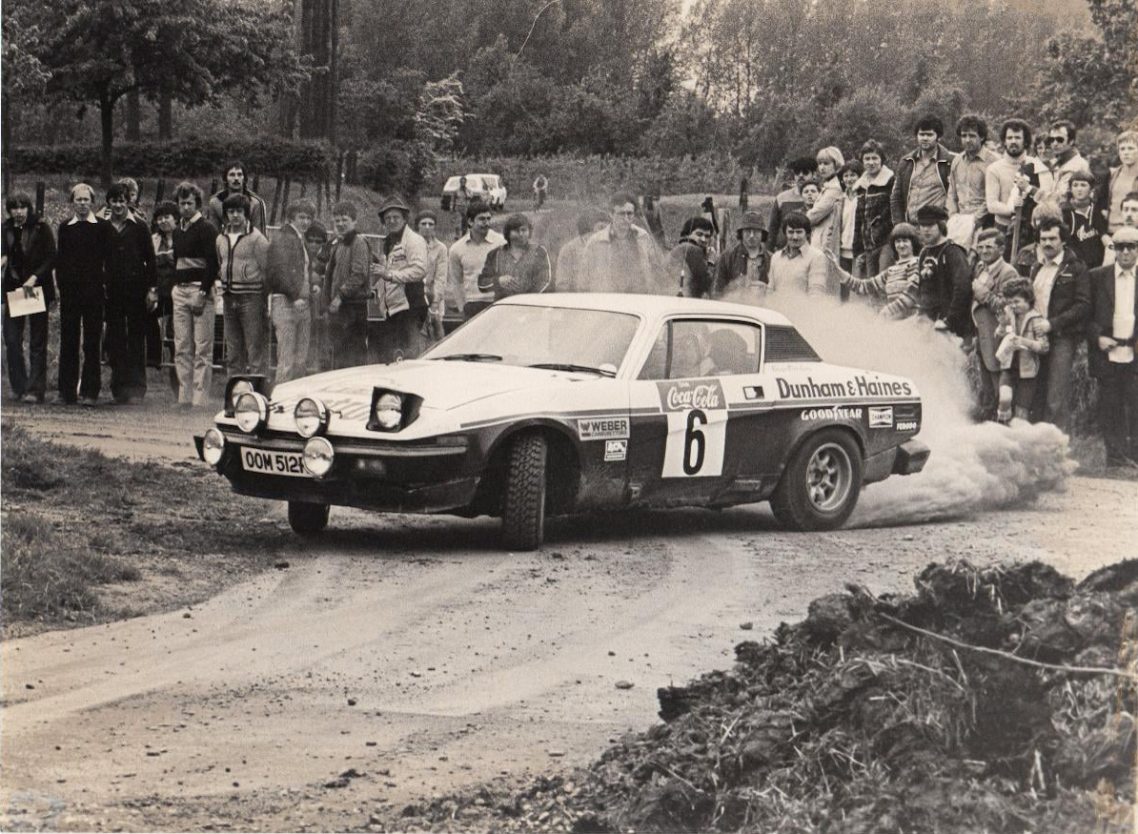
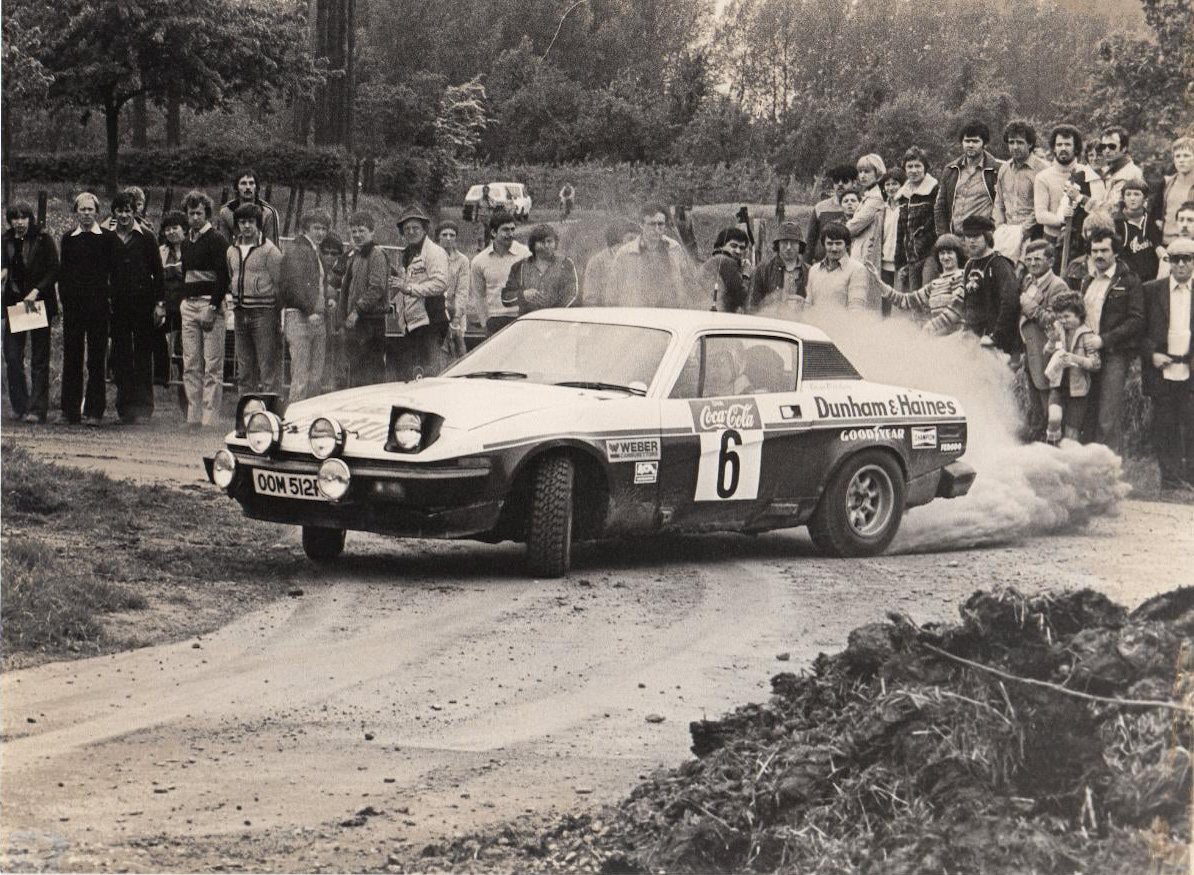
The first event with the TR was the Tavern Rally, and then a very snowy Gwynedd before we entered the Dukeries but I don't remember where we finished on those first couple of events. The transition from the Dolomite was quite a difference, the TR had lots of torque from the V8 engine but the visibility was not great from the seating position, that was something that required some time in the car to get used to it. The first car was all torque and no top-end power, but we later got a Don Moore built engine with different cams and that was a really smooth and easier to drive combination. The TR's I drove all belonged to the factory and were on loan with parts supplied by them and running costs supplied by me from our loyal sponsors Dunham & Haines and Castrol mainly. Tyres came from Goodyear - Harry Gee at Goodyear was one of the best in the business and always easy to deal with.
That year saw your first foreign event, the Haspengouw. Did rallying abroad make a big impact on you?
I loved the foreign events; the organisers of Haspengouw were very helpful and made us really welcome, and it was the first time I met Willy Lux, and Willy Weyens, the competition was strong. There were three young lads, Marc Duez, Robert Droogmans and Patrick Snijers, and we all know how fast they became! Any questions we asked about the rally the answer would be to speak to Lux, he will know. Willy was a great help and became a good friend.
Is it fair to say the RAC was a bogey event for you during this period?
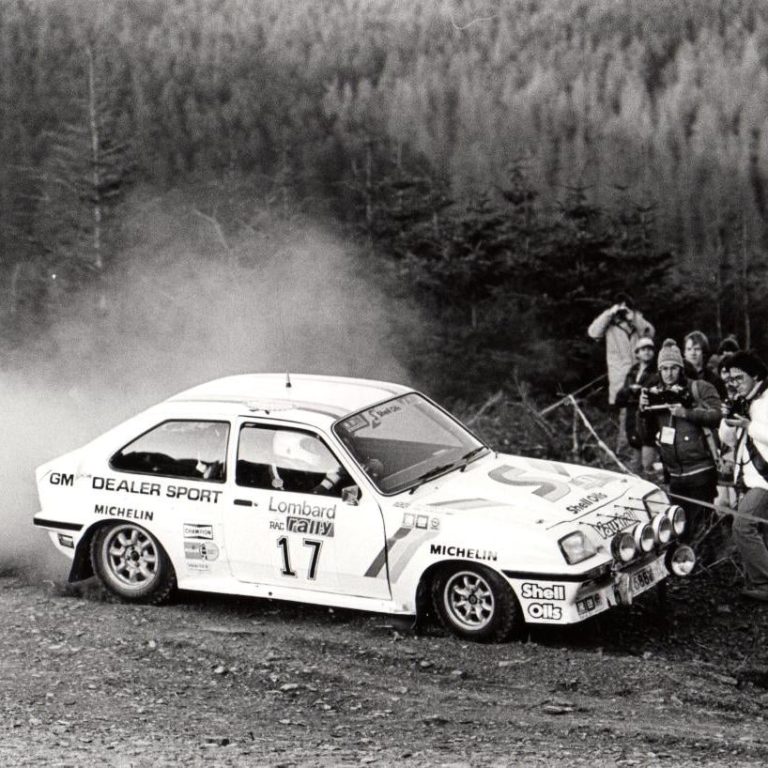
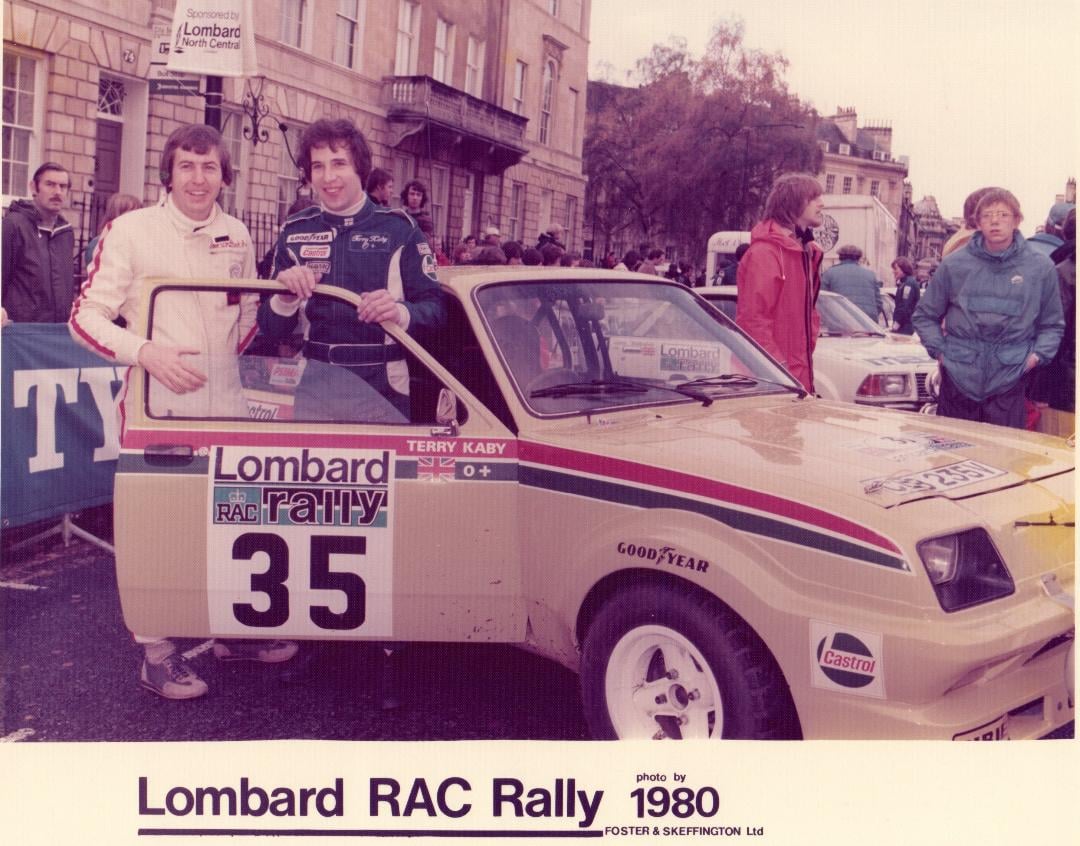
I never looked at it that way - Rallying had its ups and downs, and even my first RAC was hard work. The year I got the works drive in the TR was probably my biggest disappointment as the crank broke in the middle of Kielder; it was about 1am and freezing cold, and we had to wait for Bill Price to come and collect us. One year with the Dolomite we finished all the stages but didn't make the finish. The head gasket blew in Yorkshire and we had managed to keep it running for 3 or 4 stages when we arrived at Wykeham which was the last stage of the rally, but just after the last hairpin at the bottom of the tarmac hill with the climb to the finish it cried “enough” and stopped. The spectators descended on it and manhandled it up the hill to the end of the stage where we were able to take a time but it wouldn't drive back into York to the finish ramp so we had to tow it. In 1980 I also ran an ex-works Chevette of my own on the International series. Dave Whittock was co-driving for me on the RAC and we were holding a good position inside the top 10 when the car refused to start after a halt in Wales - we later found the cause to be a problem with the distributor low tension lead but only after we had gone OTL.
Your finishing record with the Chevette and the TR7 were good. Did you drive with mechanical sympathy in mind?
I don't think I concentrated on being sympathetic, but I was a mechanic and knew how things worked and had spent many years preparing my own cars, so maybe it came naturally for me to drive the way I did.
You took the National title in 1980. Did this lead to any offers from teams?
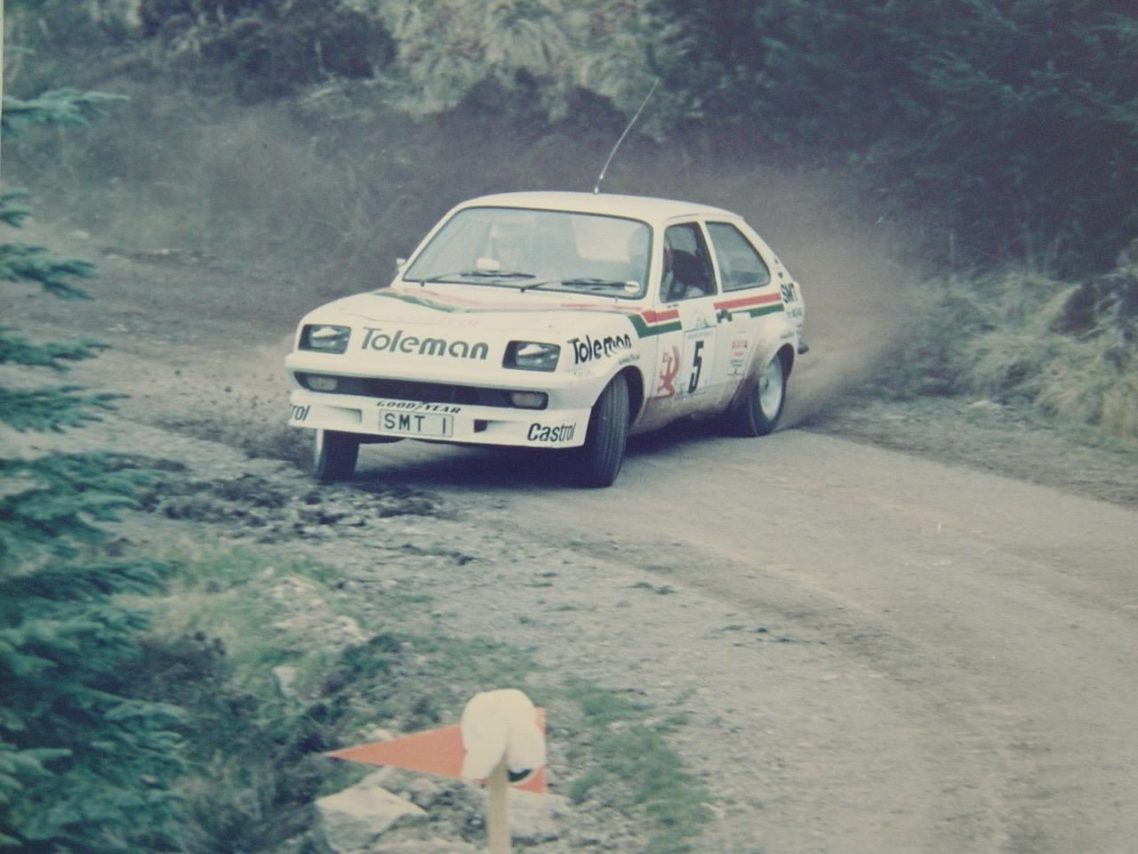
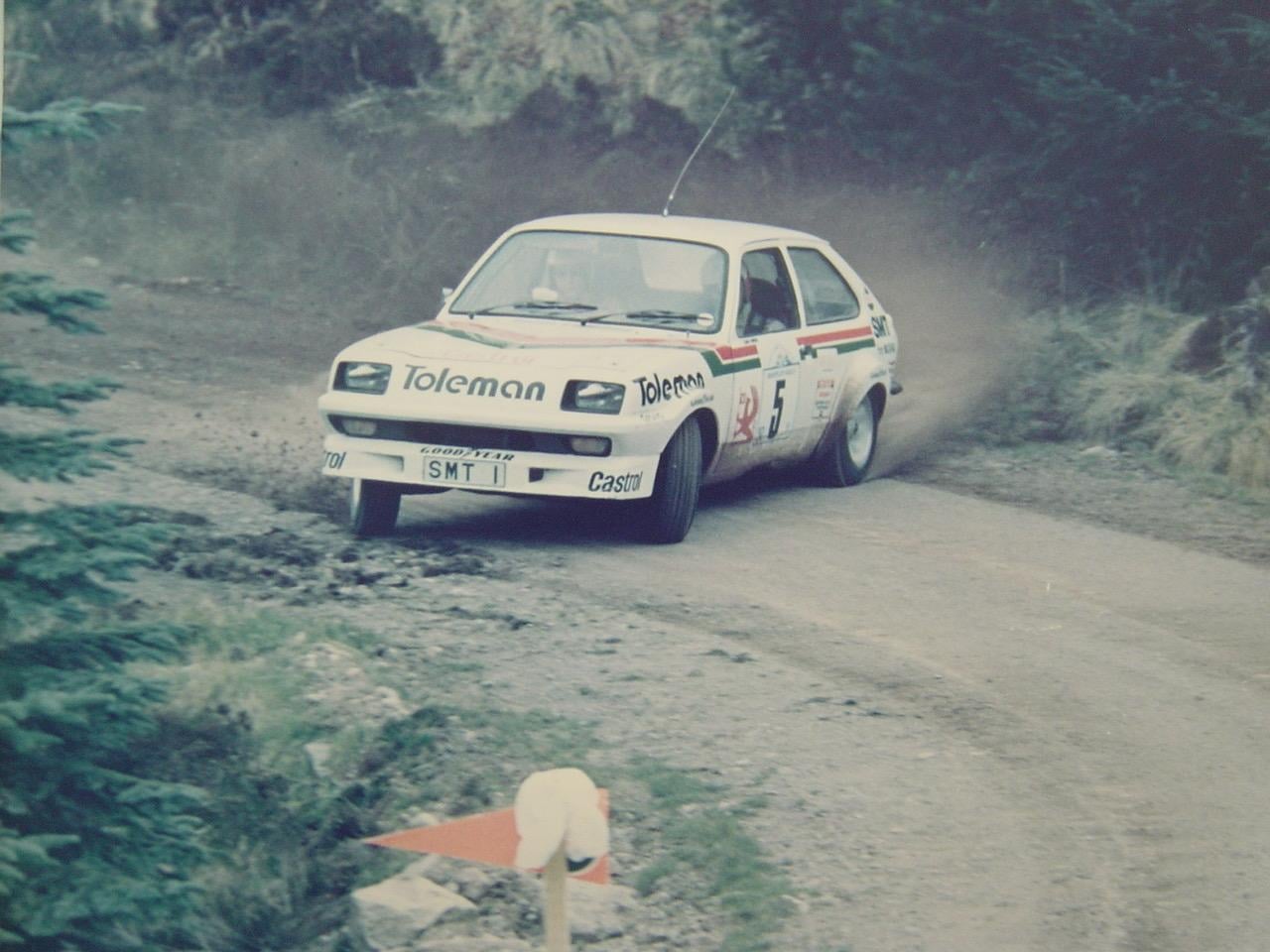
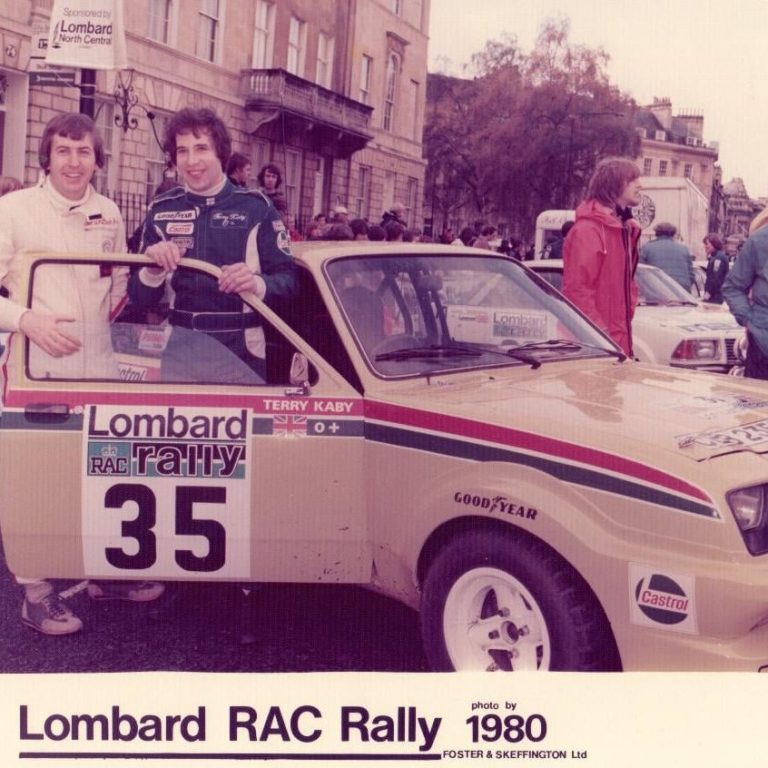
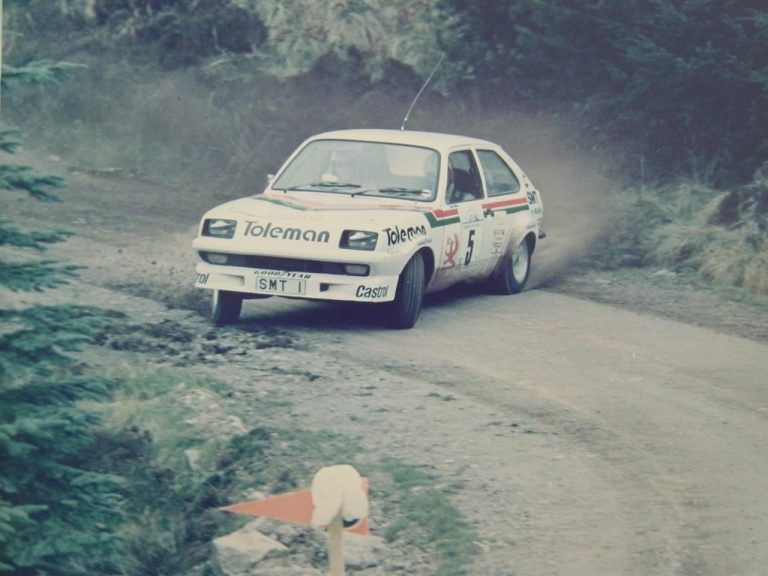
I drove the Toleman SMT Chevette for the National Championship in 1980 - it was a very good car and the 2 mechanics Alex Strathdee and Ian Anderson that looked after it were first rate. Jimmy McRae had been tasked with winning the Championship in that car the two previous years but had just missed out. When Jimmy drove it the car was fitted with a single cam engine, but for 1980 SMT converted it to a proper 2.3 twin cam and fitted arch extensions so we could use wider wheels on tarmac. Again, Brian Rainbow was mainly responsible for getting the deal and he had put in a lot of hard work speaking with SMT. It was a big change from the TR and took me a couple of events to get used to the car, but the year worked out well for us and we had a big fight with George Hill for the Championship. George was a good friend and my days watching him from the Motoring News rallies was always in my mind, and yes for sure it helped by winning the Championship. It was part sponsored by Autosport so the publicity was there, we even had a big picture on the front cover of the magazine.
You did your first foreign WRC rally, the Tour De Course, in an Andy Dawson Datsun in ‘81 finishing a terrific fifth. What are your memories of that event and do you think your result received the publicity it deserved?
The original plan for Corsica was that Andy would run a 2-door Violet for me, but due to time and the car not being ready we used Pondy's recce car. You have to remember in those days the factory drivers used proper rally cars for the recce, so Pondy's Group 4 recce car was converted to Group 2 spec for me with a new engine, axle and all running gear for the rally. Andy had some new larger diameter tyres he wanted testing before the rally started, so we used my car for the test. I got a bit out of control on a fast right corner going up a hill and caused some damage to the left front of the car and got it tangled in a wire fence which took some getting out. The regulations were different in those days so it didn't matter if you were on a stage before the event or not. The test road we used was part of a stage to be used on the rally, the mechanics had to fit a new wing and radiator plus a few other bits before the car was fit to go to scrutineering. On the rally as we came to the section that we had used on the test I thought "I know this bit" and promptly went off the road on the same corner, luckily there was no longer a fence there so we drove out with not so much damage. Pondy was having some sort of fuel problem now and again, I don't remember what the cause was, but we would pass him parked up on a stage with the bonnet up only for him to come flying past us when he got it going again. It was the first event for me with Rob Arthur as co-driver; Rob’s seat broke at one point and he disappeared in the back but he just carried on reading the notes as if nothing had happened. We did receive quite a lot of good publicity from that Rally, particularly abroad.
That year saw you get two works drives with Toyota in the UK and achieved a finish on both events. Was there no contract offered for 1982?
The Toyota deal was for the RAC with Toyota UK and we did the Castrol Rally for a bit of practice in the car. The deal was to drive the Toyota UK car, the same car that we used on the Castrol Rally, but the factory team turned up with 3 freshly built identical cars, one for Bjorn, one for Per Eklund and a third for me. They asked me how I would like the car set up, and I just said “the same as Bjorn's please” and that's what I got, a car equal to his, but the deal was only ever for one event - the RAC.
You had a terrific season in ‘82, with eight podium places including four National wins. What were your ambitions at this point?
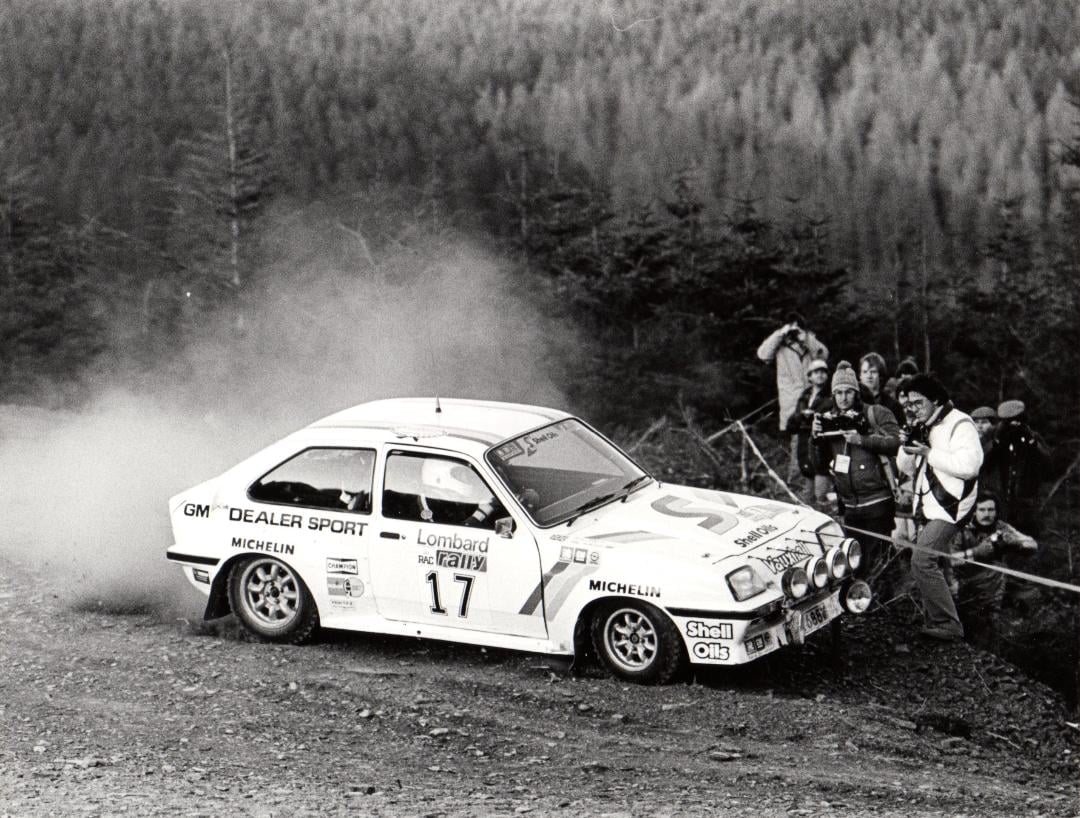
1982 was a strange year. Bill Blydenstein had a plan to run an unleaded fuelled Turbo Charged 2.6 Chevette on the National Series, complete with additional boost buttons for extra boost when you could use it, but we started the year with a conventional normally aspirated 2.6 on leaded fuel. We won the first four events and then GM Dealer Sport told Bill not to run the car anymore as they wanted an Opel to win the Championship. I was still on the up so I looked to go forward but sometimes these things don't happen and that's rallying unfortunately. Bill would always refer to me as “Up and Coming”, I think I still am!
You finished a fantastic second on the Rally Antibes that year. Do you prefer tarmac to gravel?
Antibes was half tarmac and half gravel, and there were some top names there, Bernard Beguin in a Porsche, Jacques Almeras in another Porsche, Alain Oreille, Bernard Darniche, and Jean-Luc Therier. We held our own on the tarmac and were in second place to Bernard Beguin and everyone, including myself, thought we could catch him on the gravel, but I had underestimated the traction of the Porsche on the narrow gravel roads around the Col de Turini area and despite taking some time back Bernard won. It was a great event though, I liked both tarmac and gravel and would say I was no faster on one than the other.
You and Russell (Brookes) were often tagged “The Chevette Twins”. How was your relationship with him?
We were team mates and we got on like any other team mates do - we both wanted to be the fastest! I have had good relationships with all of the drivers, co-drivers and mechanics I have been involved with throughout my time in Rallying.
Which competitors were you friendly with in the ‘80s?
Almost all of them, everyone was friendly at that time, Stig, Hannu, Pondy, Roger, Ari, everyone. The thing back then was that it didn't matter if you were a driver, co-driver or mechanic, we were all friends, the National series was the same.
You did the full BRC in the Chevette in 1983 and ended up with a 50% finishing record, the retirements all mechanical. How frustrating was this and did this influence your decision to drive the 240RS in ‘84?
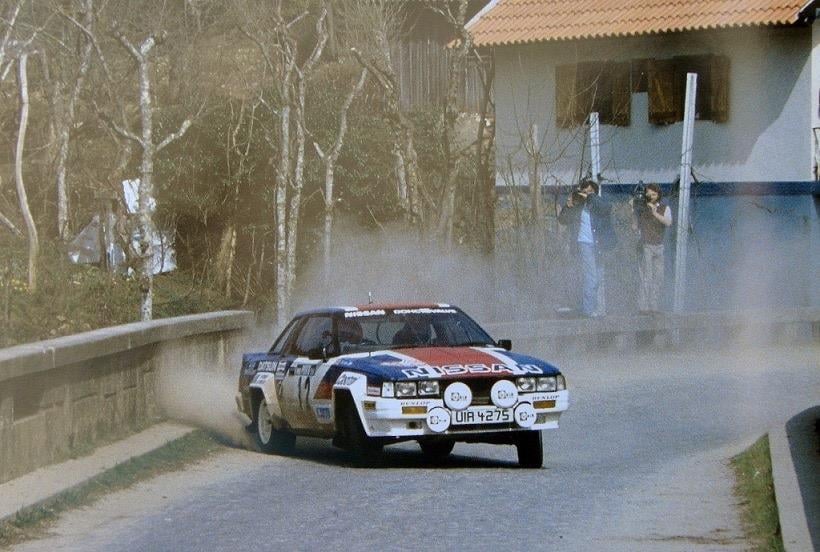
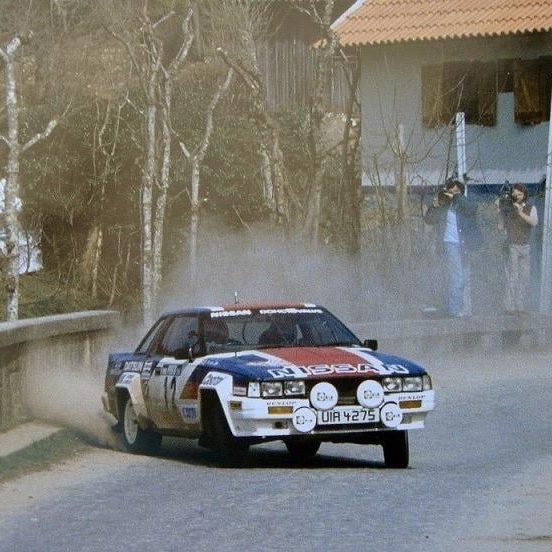
After 1983 GM Dealer Sport did not want to fund the Chevette program anymore and were promoting the Manta. I had become involved with Nissan and they gave us help to run a 240RS in a few European Championship Rallies, which we did. The following year Blydenstein had become associated with Nissan and that's why I drove the 240RS for them on the British Championship and selected European events that year.
1984 saw your biggest victory when you won the Corte De Ingles. Apart from doing doughnuts around Shekhar Mehta’s 240 RS at the finish what are your memories of the event?
We went to El Corte Ingles because Shekhar and Yvonne Mehta had been asked by Marlboro to go there and they wanted two cars so we got the other one, and Bob Freeborough ran the team. The first half of the rally was quite wet which gave us a chance against the other, more potent machinery, and we found ourselves at the front with the last night section to go. We had been using quite soft compound tyres in the dry compared to some of the others who thought we were wrong with our choice, but we were able to catch the car that was leading on one stage and then, as they say, it was game over, we won.
You undertook a big European programme in 1985, a second place in Cyprus and on the Zlatni Piassatzi being the highlights. Did that year’s adventure cost you a small fortune?
Cyprus was more suited to the Nissan due to the event being very twisty. The 240 had lots of low down power which worked well there, unfortunately after the first couple of stages we lost the complete exhaust system and I couldn't hear any notes from Kevin over the intercom - we had to drive to the first overnight halt at Limassol like that as, for some reason, the spare system had been left back at the start at Nicosia and one of the team had to drive back to collect it. A Lancia 037 won the event, they had superior traction compared to us. Zlatni Piassatzi was a little different as I had been there the year before. That event was very loose surface in places and again we struggled with traction but we finished with a good result. The European Championship was supported well back then and it was not unusual to have 6 or 7 Lancia 037's to contend with.
At this point did you not consider jumping on the Audi Quattro bandwagon?
Most of my career had been dictated by funds and I was never in a position to do that other than there was a couple of meetings with Audi UK about a possibility of a drive at one point.
For the next few years your calendar had lessened but you still took part in big events in a variety of cars, and then you drove for Daihatsu with the Charade. It was a successful season for you but how was the car to drive, given the previously more powerful machinery?
I made friends with many people whilst driving the European Rallies and a few teams offered me drives. Some of these were good cars but on all the drives I got I made the most of it and I enjoyed all of those rallies and teams. The Daihatsu drive was something different; it was a small engined car, only 993cc and Group "N" but it was prepared by Andy Dawson and built mainly by Mark Trofimov who was working with Andy at that time, and the Team manager was Peter Frater who was head of PR at Daihatsu UK. Andy came up with a really good car from the word go, it had to run in the same Class as the Astra 2.0 litre cars due to the Charade being turbo-charged and the Class formula. It was a nice little car to drive but its biggest drawback was the lack of a limited slip diff. Peter was great with the PR side of the team, he had been the Editor at Motor Magazine and so we had many well-known Journalists with us always, Jeremy Clarkson, Jonathan Gill, Ian Adcock and John Blauth to name just a few. It was a very professional outfit and we got a lot of publicity, the car performed well and yes, the power compared with previous cars I had driven was less, but you had to keep it going especially downhill to make up the difference.
What are your thoughts on current day rallying?
Things are different now, the events and stages are much shorter, more intense for the short period and the cars are fast. I don't think there is much difference with the amount of effort the top drivers put in compared to the old days, the top guys of any era drive at maximum it's just that there used to be more of them with similar ability and the winner could come from any one of 20 different drivers, that's not the case anymore.
If you could have any of your previous rally cars in your garage, what would it be?
Not one of my previous cars, but a Lancia 037 would be the one for me…although my current garage is not big enough.
What was the worst car you drove?
I don't consider any of the cars I drove to be bad enough to class them as that, I only have good recollections of all of them, some were just more difficult than others in different aspects, I guess.
In your opinion, who was the fastest British driver in the ‘80s?
It wasn't just one, Roger Clark, Tony Pond, and Jimmy McRae
What are you up to these days?
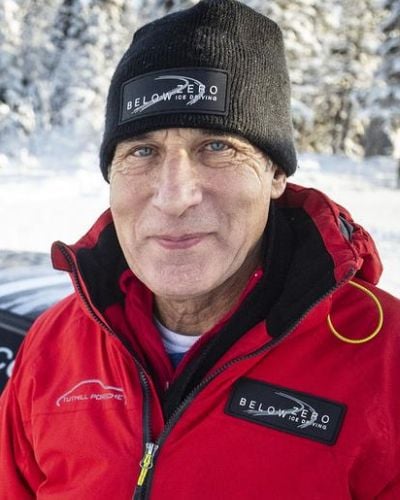
I am still involved in a small way; I still drive cars for a few different teams carrying out system checks and some testing, and for the last few years I have gone out to Sweden working for Richard Tuthill who runs classic Porsches with his Ice Driving School "Below Zero". Some time back I remember a conversation with Neil Wilson, and although he had won events such as the RAC he said he preferred being in his garden these days. I didn't understand that so well at that time but I now realise there are different things in life other than just rally cars.